
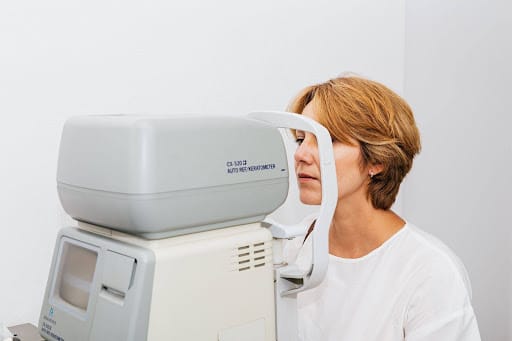
Glaucoma can feel confusing because many patients do not notice symptoms until vision loss has already begun. The condition damages the optic nerve, often slowly, and treatment focuses on lowering eye pressure to help protect remaining vision. The National Eye Institute notes that glaucoma often has no early symptoms, and treatment may include eye drops, laser treatment, surgery, or a combination of approaches.
Minimally invasive glaucoma surgery, often called MIGS, is a group of procedures designed to lower eye pressure through tiny incisions, micro-devices, or internal drainage techniques. For the right patient, MIGS may reduce dependence on daily eye drops and offer a faster recovery than traditional glaucoma surgeries. MIGS does not cure glaucoma or reverse existing vision loss, but it may help control pressure and slow future damage when recommended by an eye doctor.
What is minimally invasive glaucoma surgery?
Minimally invasive glaucoma surgery is a category of glaucoma procedures that use smaller incisions and less tissue disruption than older filtering surgeries. The goal is to improve how fluid drains from the eye, because poor drainage can raise intraocular pressure and place stress on the optic nerve. The National Eye Institute explains that pressure rises when fluid cannot drain normally from the front of the eye, especially through the trabecular meshwork.
MIGS procedures are often described as a middle step between medications or laser treatment and more invasive surgeries such as trabeculectomy or tube shunts. EyeWiki explains that MIGS was developed to help close this treatment gap for patients with mild to moderate disease, especially when drops are difficult to tolerate, use consistently, or rely on long term.
How do MIGS options lower eye pressure?
MIGS options lower eye pressure by improving fluid outflow or creating a more efficient drainage route. Some procedures work within the eye’s natural drainage system, including the trabecular meshwork, Schlemm’s canal, and collector channels. Others use tiny implants or controlled tissue removal to bypass or open areas where fluid meets resistance.
For patients, the easiest way to understand MIGS is to think of the eye like a sink. If the drain is partially clogged, pressure builds. MIGS does not “replace the plumbing” the way more invasive surgeries might. Instead, it may open, bypass, widen, or support the existing drainage pathway so fluid can leave the eye more efficiently.
What MIGS options are available for patients?
MIGS options generally fall into several categories. The first includes trabecular bypass stents, such as iStent-type devices or the Hydrus Microstent, which help fluid move through the trabecular meshwork and into Schlemm’s canal. Hydrus, for example, is indicated for use with cataract surgery to reduce eye pressure in adults with mild to moderate primary open-angle glaucoma.
A second category includes goniotomy or trabeculotomy procedures, which remove or open a small portion of drainage tissue to reduce resistance. A third category includes canal-based procedures, such as canaloplasty or viscodilation, where the drainage canal is expanded to improve outflow. EyeWiki groups MIGS approaches by these mechanisms, including trabecular bypass, tissue excision, Schlemm’s canal enhancement, and alternate drainage pathways.
Some MIGS procedures are done at the same time as cataract surgery, while others may be performed as stand-alone glaucoma procedures depending on the device, diagnosis, eye anatomy, and treatment goals. This is why a detailed glaucoma evaluation is essential before choosing a surgical option.
Who is a good candidate for MIGS?
Good MIGS candidates often have mild to moderate open-angle glaucoma, eye pressure that needs better control, trouble using drops consistently, side effects from glaucoma medications, or cataracts that already require surgery. Glaucoma Research Foundation notes that angle-based MIGS candidates are often patients with mild to moderate primary open-angle glaucoma, including those with medication side effects or elevated eye pressures after other procedures.
MIGS may not be the best option for every glaucoma patient. People with advanced glaucoma, very low target pressure, certain types of angle-closure glaucoma, or complex eye anatomy may need different treatment. The National Eye Institute emphasizes that patients should talk through the pros and cons of glaucoma surgery with their doctor because treatment plans should be individualized.
If you are unsure whether your glaucoma is progressing, a glaucoma treatment evaluation can help determine whether your current pressure, optic nerve testing, visual field results, and medication plan are still appropriate.
How is MIGS different from traditional glaucoma surgery?
MIGS is usually less invasive, has a faster recovery profile, and generally carries fewer serious risks than traditional filtering procedures. The tradeoff is that MIGS may not lower eye pressure as much as trabeculectomy or tube shunt surgery. Glaucoma Research Foundation explains that MIGS procedures have an improved safety profile compared with traditional surgeries, but they are generally less powerful at lowering pressure.
Traditional glaucoma surgery may still be the right choice for patients with advanced disease or pressure goals that MIGS is unlikely to reach. For patients with earlier disease, however, MIGS can be valuable because it may reduce medication burden while preserving future treatment options.
Can MIGS be combined with cataract surgery?
Yes, many MIGS procedures can be combined with cataract surgery. This is common because cataract surgery already gives the surgeon access to the front of the eye, and adding a MIGS procedure may only add a small amount of surgical time. Glaucoma Research Foundation notes that cataract surgery alone can lower pressure, and combining cataract surgery with MIGS may lower pressure further and reduce the need for medication.
This makes MIGS especially relevant for patients who have both glaucoma and cataracts. If cloudy vision from cataracts is already affecting daily life, your surgeon may discuss whether a combined approach could address vision clarity and eye pressure during one procedure. Louisville Laser offers information on cataract surgery for patients who may need lens-related treatment alongside glaucoma management.
What should patients expect after MIGS?
After glaucoma surgery, your doctor may prescribe anti-inflammatory or antibiotic drops, monitor your eye pressure, and schedule follow-up visits to make sure the eye is healing properly. The National Eye Institute notes that patients may need to avoid certain activities, such as heavy lifting, for a short period after glaucoma surgery and should attend checkups to confirm healing and pressure control.
Recovery expectations vary by procedure, whether cataract surgery was performed at the same time, and your overall eye health. Some patients notice mild irritation, redness, light sensitivity, or temporary blurred vision. Your doctor will also decide whether to continue, reduce, or adjust glaucoma drops based on post-operative pressure readings.
Why is follow-up still important after MIGS?
Follow-up is essential because glaucoma is a long-term disease. Even if MIGS lowers pressure successfully, patients still need regular monitoring with pressure checks, optic nerve evaluation, OCT imaging, and visual field testing. Louisville Laser’s glaucoma page notes that testing such as OCT and visual field exams may help detect and follow glaucoma damage.
MIGS is not a one-time replacement for lifelong eye care. It is one tool within a broader glaucoma plan. Staying consistent with visits gives your eye doctor the best chance to catch pressure changes early and adjust treatment before additional vision loss occurs.
FAQ
Is MIGS painful?
MIGS is typically performed with numbing medication, and many patients experience only mild discomfort or irritation afterward. Your surgeon will explain the anesthesia plan and what sensations are normal during recovery.
Can MIGS eliminate my glaucoma drops?
MIGS may reduce the number of drops some patients need, but it does not guarantee that drops can be stopped completely. Medication changes depend on your eye pressure, disease severity, and post-operative results.
Is MIGS only for people having cataract surgery?
No. Some MIGS procedures are designed to be performed with cataract surgery, while others may be considered as stand-alone procedures. Your eye anatomy, glaucoma type, and treatment goals determine what is appropriate.
Is MIGS safe?
MIGS is generally designed to have fewer serious risks than traditional glaucoma surgery, but every eye procedure has potential complications. These can include inflammation, bleeding, pressure spikes, device blockage, or the need for additional treatment.
When should I ask about MIGS?
Ask about MIGS if you have glaucoma and are struggling with drops, need better pressure control, have medication side effects, or are planning cataract surgery. A comprehensive glaucoma evaluation is the best starting point.
Choosing the Right Glaucoma Treatment Starts With a Personalized Evaluation
Minimally invasive glaucoma surgery gives many patients another way to manage eye pressure without immediately moving to more invasive glaucoma surgery. The right MIGS option depends on your glaucoma type, pressure goal, drainage anatomy, cataract status, medication tolerance, and long-term risk of vision loss.
The most important step is not choosing a specific device from an online list. It is getting a personalized evaluation from an eye care team that can explain your test results, compare your options, and recommend a treatment plan built around protecting your vision.
Why Louisville Laser is Your Ideal Choice for Minimally Invasive Glaucoma Surgery MIGS Options?
Louisville Laser provides glaucoma-focused care through Koby Karp Doctors Eye Institute, with services that include glaucoma treatment, cataract surgery, comprehensive eye exams, and diagnosis and treatment of eye diseases. The practice’s glaucoma resources explain key testing tools such as eye pressure measurement, visual field testing, and OCT imaging, all of which are important when deciding whether MIGS may fit a patient’s care plan.
Patients also benefit from a local team that understands how glaucoma care connects with cataracts, routine exams, and long-term monitoring. Because MIGS decisions are highly individualized, Louisville Laser can help patients understand whether their current treatment is enough, whether cataract surgery changes the conversation, and whether a minimally invasive procedure may support better pressure control.
Schedule Your Glaucoma Evaluation With Louisville Laser
Protecting your vision starts with knowing your options. Schedule a consultation with Louisville Laser to discuss glaucoma treatment, cataract-related concerns, and whether minimally invasive glaucoma surgery may be right for your eyes.