
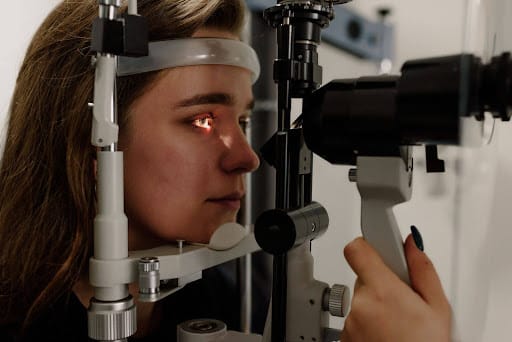
Selective Laser Trabeculoplasty, or SLT, is often effective for lowering eye pressure in people with open-angle glaucoma or ocular hypertension. Many studies show that SLT can lower intraocular pressure by about 20% to 30%, with stronger results often seen when it is used earlier in treatment rather than only after multiple eye drops have already been tried. The Glaucoma Research Foundation notes that SLT may lower eye pressure by about 30% when used as initial therapy, and its effect may last from one to five years, sometimes longer.
For patients researching how effective is SLT for glaucoma, the practical answer is this: SLT is not a cure, but it can be a strong pressure-lowering option that may reduce the need for daily drops, delay medication escalation, or become part of a long-term glaucoma management plan. Because glaucoma can permanently damage vision, the right treatment depends on eye pressure, optic nerve health, visual field testing, glaucoma type, and how well current therapy is working.
What Is SLT for Glaucoma?
SLT is an in-office laser treatment used mainly for open-angle glaucoma and ocular hypertension. It targets the eye’s drainage tissue, called the trabecular meshwork, to help fluid drain more efficiently and reduce pressure inside the eye. The National Eye Institute explains that laser trabeculoplasty works by helping eye fluid drain, which can lower eye pressure.
Unlike more invasive glaucoma surgeries, SLT does not involve an incision. The eye is numbed with drops, and the ophthalmologist uses a special lens to direct laser energy to the drainage angle. Most patients feel little to no pain during the treatment, though bright flashes of light may be visible. At Koby Karp Doctors Eye Institute’s glaucoma treatment page, SLT is described as an option for some patients with open-angle glaucoma when lowering eye pressure is needed.
How Does SLT Lower Eye Pressure?
SLT lowers pressure by improving the eye’s natural drainage system. In glaucoma, pressure may rise when aqueous fluid does not drain properly. SLT applies selective laser energy to pigmented cells in the trabecular meshwork, triggering biological changes that can improve outflow. The Glaucoma Research Foundation explains that SLT applies laser energy to drainage tissue, helping create changes that improve fluid drainage from the eye.
The word “selective” matters. SLT is designed to affect targeted pigmented tissue while limiting collateral damage to surrounding tissue. This is one reason it may be repeatable in appropriate cases, especially when the first treatment worked but gradually wore off.
Who Is a Good Candidate for SLT?
SLT is most commonly considered for patients with open-angle glaucoma or ocular hypertension who need lower eye pressure. It may be especially helpful for patients who have trouble remembering daily drops, experience irritation or dryness from glaucoma medications, or want to reduce dependence on multiple prescriptions.
A comprehensive evaluation is essential before deciding. Your ophthalmologist may check eye pressure, optic nerve appearance, corneal thickness, drainage angle anatomy, and visual field results. Patients with narrow-angle glaucoma, active inflammation, certain secondary glaucomas, or a history of pressure spikes after laser may need a different approach. For patients who are unsure whether symptoms or risk factors point to glaucoma, the article on recognizing early glaucoma symptoms can help explain why early evaluation matters.
Protect Your Vision With a Personalized Glaucoma Plan
SLT may help lower eye pressure and reduce the burden of daily glaucoma drops, but the right treatment depends on your diagnosis, pressure goals, and overall eye health. At Koby Karp Doctors Eye Institute, our team can evaluate your glaucoma carefully and explain whether laser treatment is a good fit for your long-term vision protection.
Call (502) 897-1604 or (800) 777-4393 to schedule an appointment, or contact us through our online form. New patients are welcome.
The sooner glaucoma is managed, the more vision there is to protect.
How Long Does SLT Take to Work and How Long Can Results Last?
SLT does not always lower pressure immediately. Many patients need several weeks before the full effect is clear. The National Eye Institute notes that patients often need to wait four to six weeks to know whether glaucoma laser treatment worked.
When SLT works well, the effect may last for years. The Glaucoma Research Foundation states that a single SLT treatment’s effect may last two to three years, and sometimes longer, while its FAQ section notes a broader range of one to five years. If pressure rises again after a successful first treatment, SLT may be repeated. However, repeat treatment may not always lower pressure as much as the first procedure.
Are Eye Drops Still Needed After SLT?
Some patients can manage eye pressure with SLT alone, while others still need glaucoma drops. This depends on the target pressure set by the ophthalmologist, the severity of glaucoma, baseline eye pressure, and how strongly the eye responds to laser treatment.
The LiGHT trial helped shift attention toward SLT as a first-line option. In newly diagnosed open-angle glaucoma and ocular hypertension, SLT achieved comparable quality-of-life outcomes to eye drops and at lower cost over 36 months. Longer follow-up data also reinforced SLT’s value: six-year LiGHT results reported drop-free pressure control in nearly 70% of eyes after six years in carefully monitored patients.
Still, SLT should not be viewed as a replacement for follow-up care. Glaucoma is chronic. Even when eye pressure improves, patients still need regular monitoring through comprehensive eye exams, pressure checks, optic nerve imaging, and visual field testing.
What Are the Risks and Limitations of SLT?
SLT is generally considered safe, but no medical procedure is risk-free. Possible side effects include temporary inflammation, soreness, blurry vision, dry eye irritation, or a short-term pressure spike. The Glaucoma Research Foundation notes that post-operative inflammation is common but generally mild, and that pressure elevation can occur after laser treatment.
The main limitation is that SLT does not work for everyone. If the laser does not lower pressure enough, your ophthalmologist may recommend eye drops, repeat laser in selected cases, minimally invasive glaucoma surgery, or more advanced surgical treatment. This is why treatment planning should be individualized through an experienced eye care team. Patients can learn more about available care categories through the institute’s eye condition treatments and services pages.
When Should You Talk With an Eye Doctor About SLT?
You should ask about SLT if you have open-angle glaucoma, ocular hypertension, side effects from drops, difficulty following a daily drop schedule, or eye pressure that is not reaching your target range. SLT may also be worth discussing when glaucoma is newly diagnosed, because major guidelines and evidence now support SLT as an initial treatment option for many appropriate patients. NICE guidance, for example, recommends greater first-line use of 360-degree SLT for certain patients with ocular hypertension and chronic open-angle glaucoma.
The best next step is a complete glaucoma evaluation with an ophthalmologist. The team at Koby Karp Doctors Eye Institute can assess whether SLT fits your diagnosis, pressure goals, and long-term vision protection plan.
FAQ
Is SLT painful?
Most patients report little to no pain. Numbing drops are used before treatment, and the procedure is usually performed in the office.
How soon can I return to normal activities after SLT?
Many patients return to normal daily activities the next day, although temporary irritation or blurry vision may occur.
Can SLT cure glaucoma?
No. SLT helps lower eye pressure, but it does not cure glaucoma or reverse existing optic nerve damage. Ongoing monitoring remains essential.
Can SLT be repeated?
Yes, SLT may be repeated in appropriate cases, especially if the first treatment worked and later wore off. However, repeat results may vary.
Is SLT better than glaucoma drops?
SLT may be better for some patients because it reduces dependence on daily medication, but drops remain important for others. The best option depends on your eye pressure, glaucoma severity, and response to treatment.
SLT Can Be a Strong Step in Long-Term Glaucoma Control
SLT is a proven, non-incisional laser treatment that can meaningfully lower eye pressure for many patients with open-angle glaucoma or ocular hypertension. For people asking how effective is SLT for glaucoma, the evidence supports SLT as a strong option, often lowering pressure by about 20% to 30% and sometimes reducing or delaying the need for daily drops. It is not a cure, and it does not eliminate the need for follow-up care, but it can be an important part of protecting long-term vision.
Because glaucoma treatment is highly personal, the most reliable answer comes from a detailed eye exam and a treatment plan built around your individual risk, pressure goals, and optic nerve health.
Why Koby Karp Doctors Eye Institute is Your Ideal Choice for SLT for Glaucoma?
Koby Karp Doctors Eye Institute offers experienced, comprehensive eye care for patients who need careful glaucoma evaluation and long-term pressure management. The practice has served the Louisville area for decades and provides care focused on diagnosis, treatment, and monitoring of eye conditions under one roof.
For patients considering SLT, this matters because glaucoma care does not end with one procedure. You need a team that can evaluate whether laser treatment is appropriate, monitor your response, adjust medications when needed, and help protect your sight over time. Koby Karp Doctors Eye Institute combines clinical experience with a caring approach, helping patients feel informed, supported, and confident in their treatment decisions.
Talk With Koby Karp Doctors Eye Institute About SLT
If you have glaucoma, elevated eye pressure, or concerns about daily glaucoma drops, schedule a consultation with Koby Karp Doctors Eye Institute. Visit the contact page to request an appointment and learn whether SLT may be right for your eyes.